virtual reality simulation for manipulationg climate change environmental psychology social psychology psychological distance social identity

People from the Future

People from the Future is an immersive virtual reality simulation designed to investigate how direct, symbolic contact with future generations can shape the way people perceive climate change and their responsibility toward those who will live after us. The experience is grounded in social identity and social categorization approaches, exploring whether future generations can become psychologically included within a broader sense of “us” rather than being perceived as distant and abstract others.

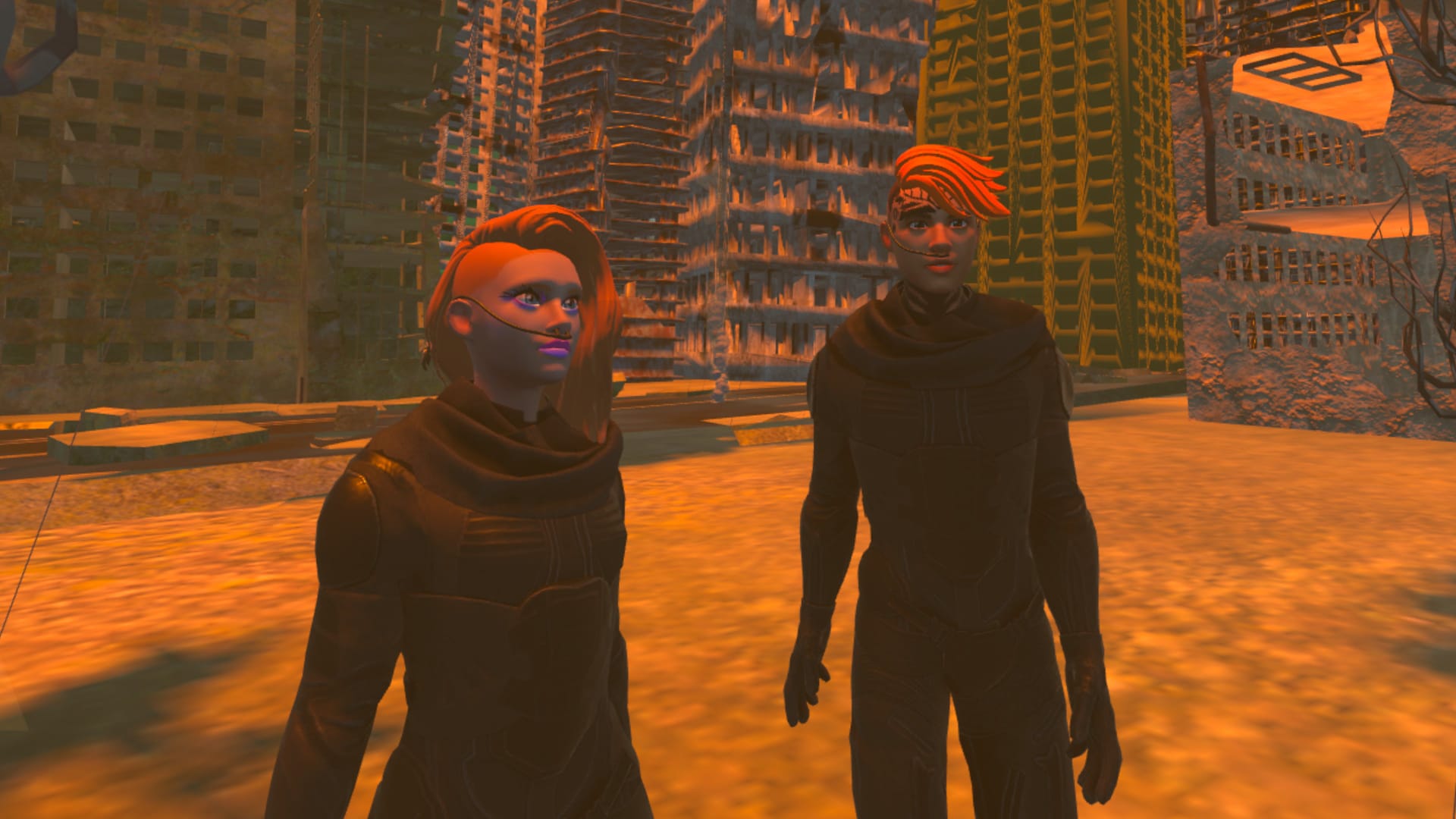
The simulation takes participants on a virtual journey from the present day to the year 2226. The experience is structured as a short narrative sequence: after an introductory scene, participants undergo a temporal transition that transports them more than two centuries into the future. They then find themselves in a city of 2226, where they encounter two inhabitants of the future who describe what has happened to human society over the intervening centuries.

The VR paradigm includes two experimental conditions. In the climate-change condition, participants enter a degraded future city where the consequences of global warming and ecological deterioration are clearly visible. The environment depicts a future characterized by impoverished landscapes, deteriorating living conditions, resource scarcity, and signs of ecological and social collapse. The two future inhabitants explain how climate change has affected both the environment and human life. In the neutral control condition, participants visit a future city of comparable immersive and perceptual complexity, but without references to climate change or environmental crisis. Here, the two inhabitants instead describe the evolution of human civilization and urban life.

Rather than simply presenting information about distant environmental consequences, the simulation is designed to make the future experientially and socially present. Meeting people who supposedly live in 2226 transforms future generations from an abstract category into concrete social actors with whom participants can interact. In this way, VR is used to investigate whether immersive contact with the future can increase emotional engagement, identification with future generations, perceived intergenerational continuity, and pro-environmental behavioural intentions.

The project therefore uses immersive technology not only to visualize a possible future, but also to explore a broader psychological question: can experiencing future generations as part of the same human community strengthen our sense of responsibility for the long-term consequences of present-day actions? The research specifically examines emotional responses, social identification with future generations, and pro-environmental intentions, while also assessing key VR-related processes such as presence and embodiment.
virtual reality environment for testing psychological restorativeness

VR Multisensory Blue-Space Environment

This virtual reality environment was developed to investigate how people perceive and psychologically respond to blue spaces, with a particular focus on the restorative qualities of marine environments and on emotional responses related to environmental change and degradation.

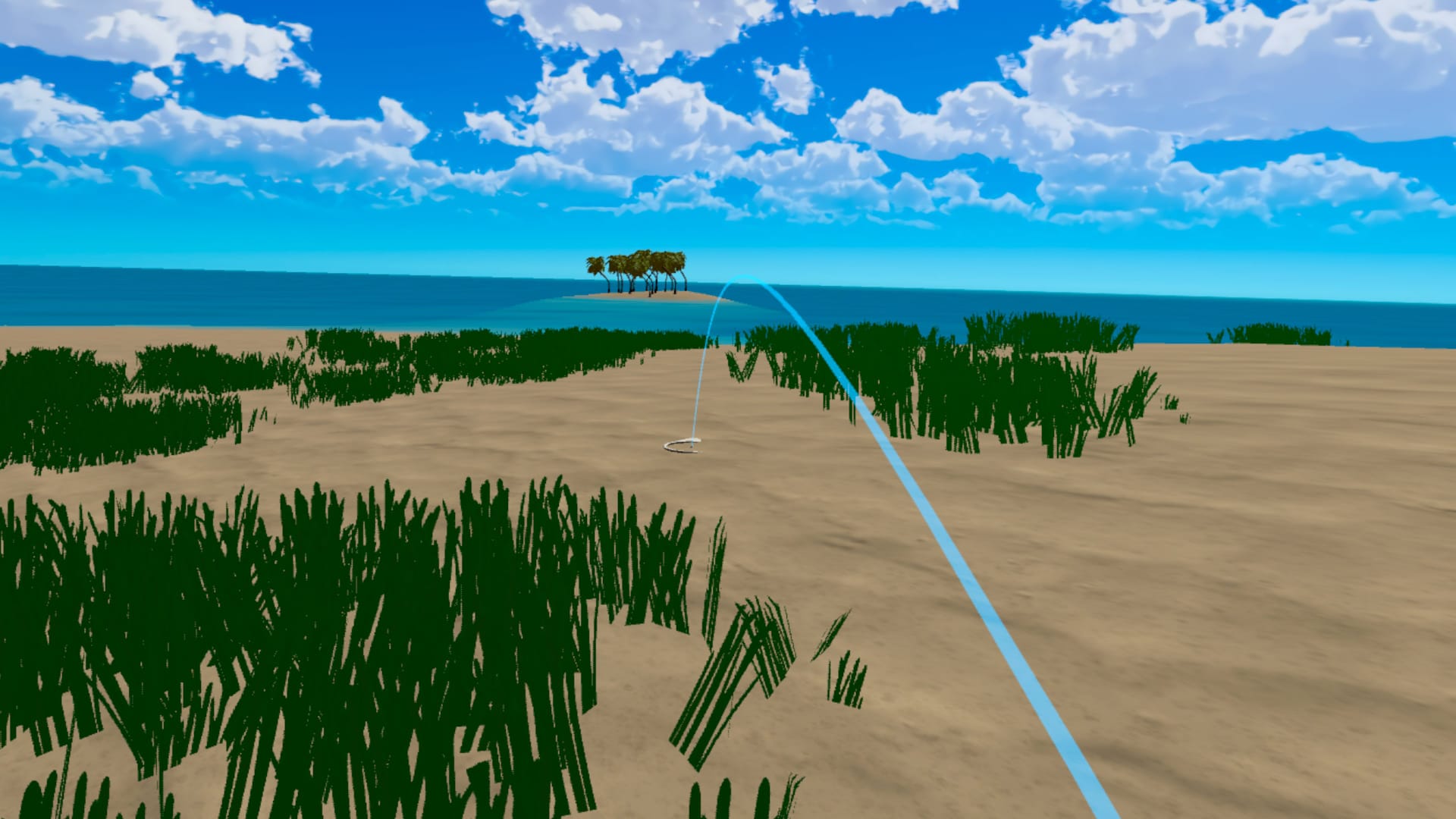
The experience reconstructs an uninhabited island environment in which the sea represents the central perceptual and experiential element. The virtual setting was designed as a controlled naturalistic space in which participants can be exposed to the same visual environment while researchers manipulate additional sensory information.

A key feature of the system is its integration with an external olfactory stimulation device. The VR application can send Wi-Fi signals to an Arduino-based controller, which in turn activates an aroma diffuser. This allows researchers to associate the same virtual marine environment with different olfactory conditions and to systematically investigate how smell interacts with visual immersion in shaping the perception of natural environments.

The paradigm was specifically conceived to study psychological responses to blue spaces, including constructs such as perceived restorativeness, solastalgia, environmental appraisal, and affective responses to nature. By keeping the visual environment constant while varying olfactory stimulation, the system makes it possible to examine the contribution of multisensory integration to the experience of immersive natural settings.

The environment is therefore intended not only as a virtual reconstruction of a coastal ecosystem, but as a multisensory experimental platform for studying how visual and olfactory information jointly influence the psychological experience of marine and coastal environments.

The application is currently under testing and refinement and is being used as part of an ongoing experimental study. The present build should therefore be considered an active research prototype whose technical configuration and experimental parameters may continue to evolve during data collection.

virtual reality environment for awe emotion social psychology

VR Awe Elicitation Environment

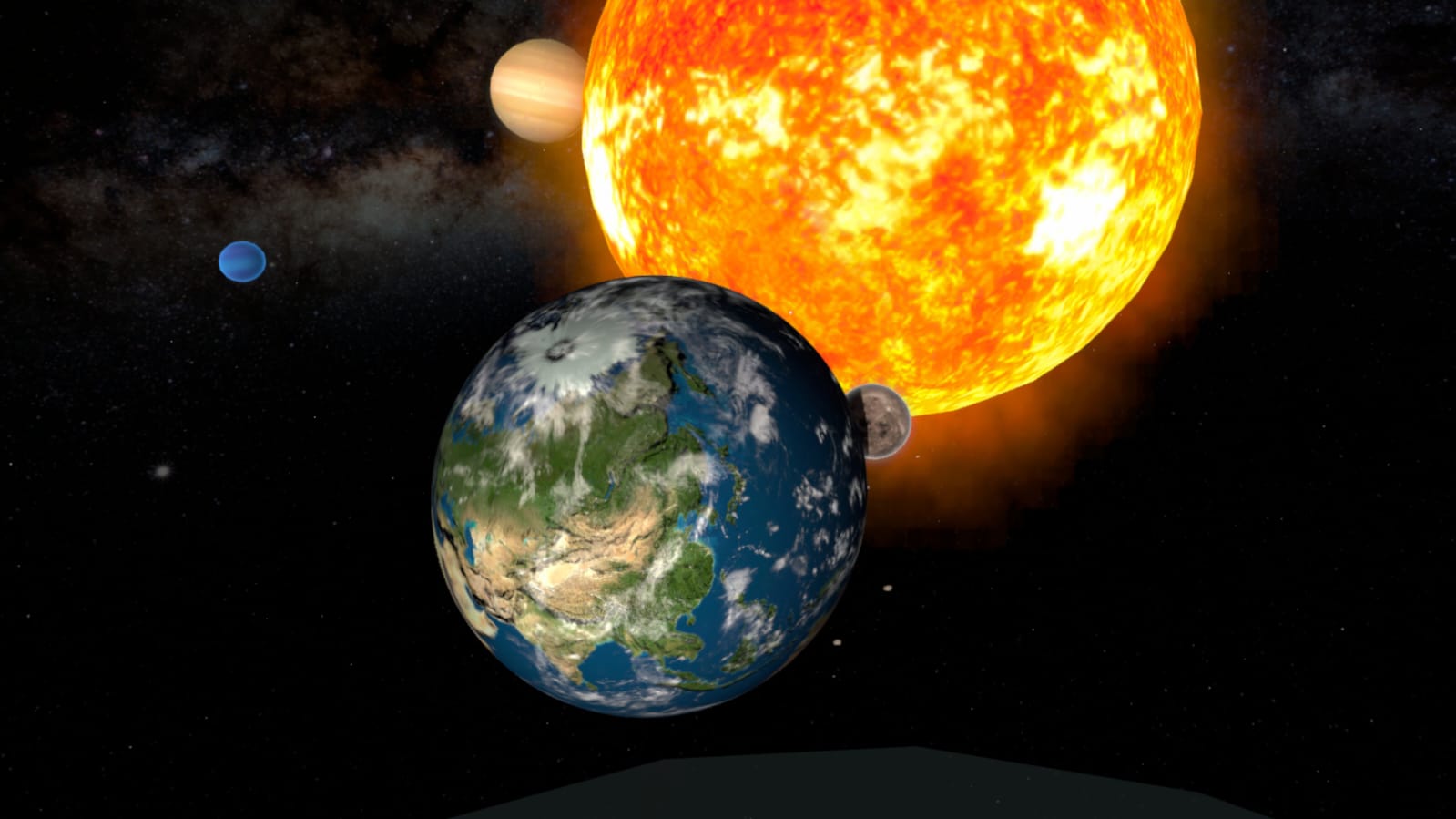
This virtual reality application was developed to experimentally elicit awe through immersive exposure to vast, extraordinary, and perceptually striking environments. The core experience places participants within a dynamic planetary scenario, where celestial bodies and large-scale spatial transformations are used to evoke a sense of perceptual vastness and to challenge ordinary frames of reference—two central features commonly associated with the experience of awe.

The application was built as a controlled research paradigm rather than as a purely narrative VR experience. Its structure allows researchers to expose participants to standardized immersive scenarios while maintaining control over the visual sequence, timing, environmental events, and progression of the experience.

In addition to the awe-inducing planetary environment, the application includes three control environments designed to support experimental comparisons across different immersive experiences. These include an amusement park, a city environment, and an additional control scenario. The control conditions make it possible to distinguish effects specifically associated with awe from those produced more generally by immersion, visual stimulation, novelty, or positive engagement.

The paradigm was originally developed as part of our research on the psychological effects of awe in virtual reality, including preliminary validation work examining whether the planetary environment is able to reliably elicit the target emotional experience. The broader research program investigates how VR-induced awe may influence social and psychological processes.

The application is currently under active testing and validation and is being used in ongoing experimental studies. For this reason, the present version should be considered a research prototype rather than a finalized standardized instrument. Its experimental structure and environments may continue to be refined as additional validation data become available.

virtual reality simulation for manipulationg climate change environmental psychology social psychology psychological distance

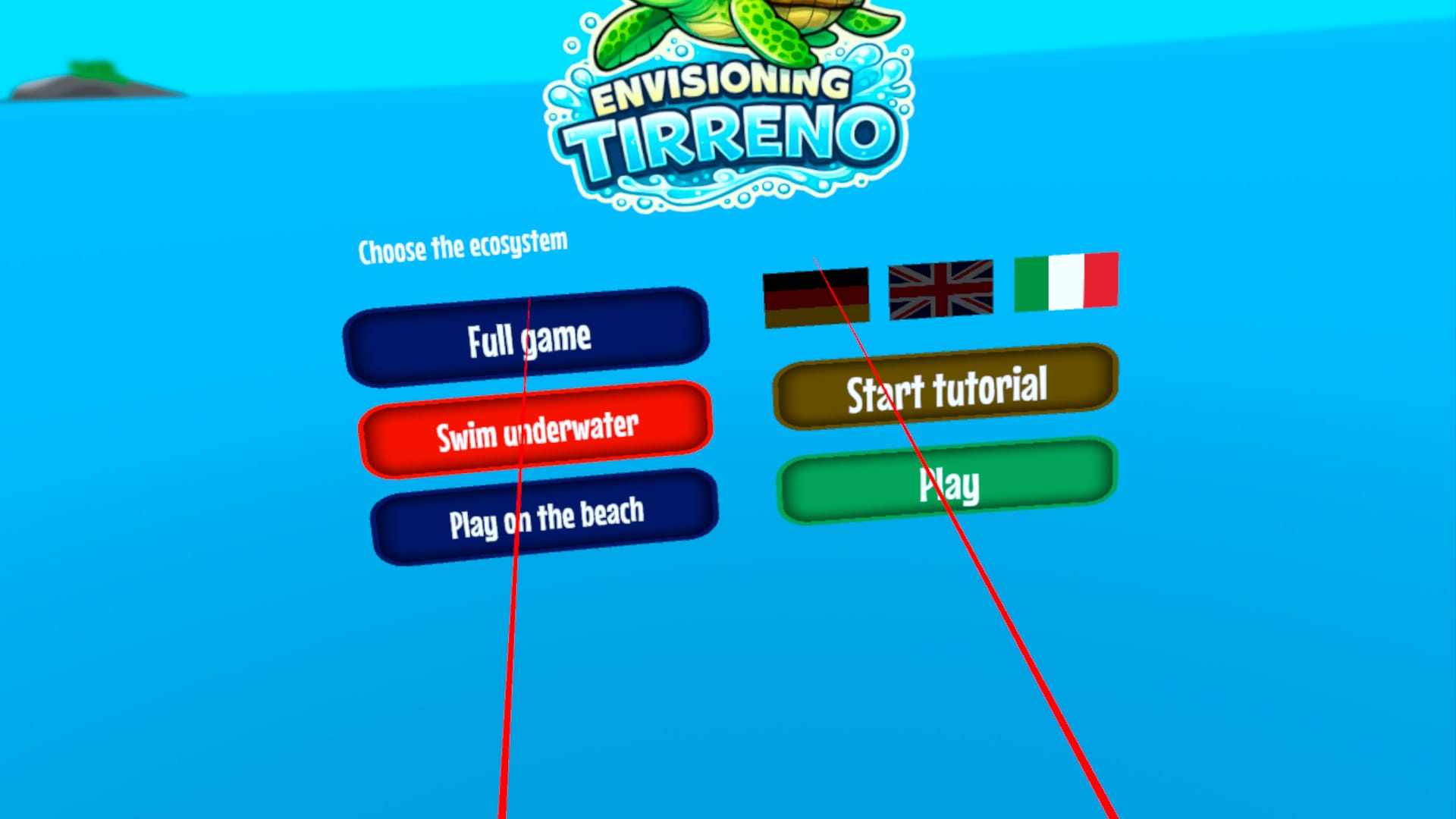
Envisioning Tirreno: Experiencing Climate Change

Envisioning Tirreno is an immersive virtual reality experience designed to make the consequences of climate change on Mediterranean marine ecosystems more tangible, personal, and emotionally engaging. Rather than observing environmental change from an external perspective, participants experience the virtual environment from the embodied perspective of a sea turtle moving through a representation of the Tyrrhenian Sea.

During the experience, users explore the marine environment, search for food, and interact with the ecosystem while progressively witnessing environmental transformations associated with climate change and human impact. Over the course of the simulation, approximately 70 years of ecological change are compressed into a few minutes, allowing participants to directly experience processes that would otherwise unfold over several decades. As time progresses, food resources become scarcer, marine litter increases, and the surrounding ecosystem gradually deteriorates.

The experience combines embodiment, environmental storytelling, and interactive gameplay to investigate whether immersive virtual reality can reduce the psychological distance of climate change and strengthen people’s connection with threatened marine ecosystems. By placing users inside the perspective of a vulnerable marine animal, Envisioning Tirreno is designed not simply to communicate information about environmental change, but to provide an experiential representation of what such change may mean for the organisms inhabiting these ecosystems.

Developed as a research tool within our work on VR, environmental psychology, and pro-environmental behaviour, Envisioning Tirreno can be used to examine psychological processes such as environmental concern, emotional responses, connectedness with nature, identification with non-human agents, perceived psychological distance from climate change, and intentions to engage in sustainable behaviours.

VR contact virtual reality environment for studing prejudice Allport contact hypothesis

VR Contact: Immersive Intergroup Encounters in Virtual Reality

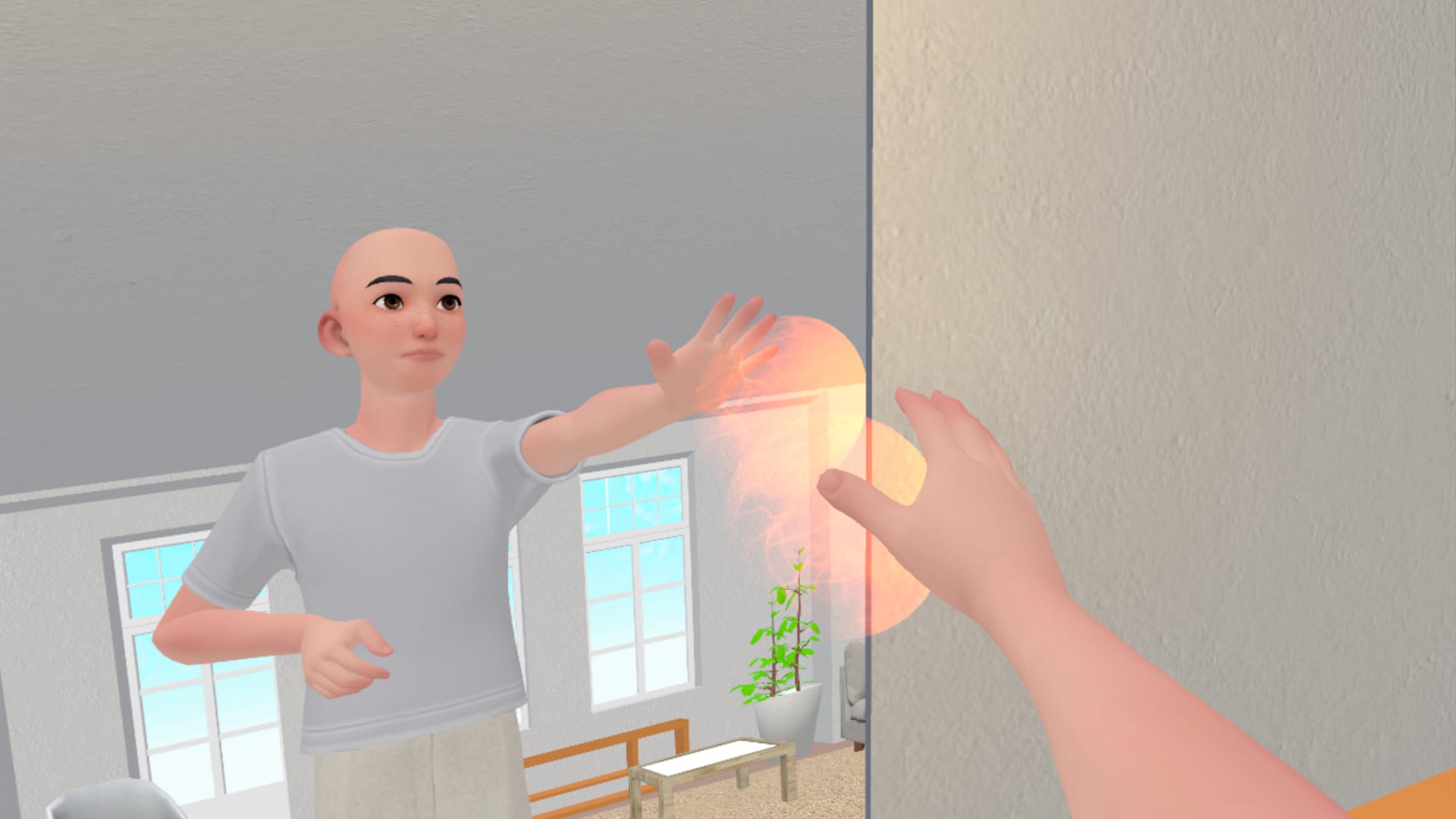
VR Contact is a custom-built immersive virtual environment developed to study how people perceive, categorize, and interact with members of different social groups in virtual reality. The platform allows us to systematically manipulate avatars, group membership cues, embodiment, social context, and interaction dynamics while maintaining a high level of experimental control.

VR Contact is designed to investigate the psychological processes underlying social categorization, intergroup contact, prejudice, and bias reduction. By creating controlled but socially meaningful encounters with virtual others, the environment enables researchers to examine when avatars are perceived as ingroup or outgroup members, how different forms of interaction influence attitudes, and under which conditions immersive contact can promote more positive intergroup relations.

The platform is used both as a research tool and as an experimental environment for developing and testing theoretically grounded VR interventions in social psychology.

virtual reality simulation for waste sorting climate change environmental psychology

Just Separate: Learning Waste-Sorting Rules

Just Separate is a gamified virtual reality experience designed to support the learning of correct waste-sorting procedures through direct practice, contextualized feedback, and repeated interaction. Rather than focusing primarily on general environmental awareness, the experience targets a more practical barrier to sustainable behavior: knowing exactly how to act when recycling rules, bin colors, or local collection systems are unfamiliar or have recently changed.

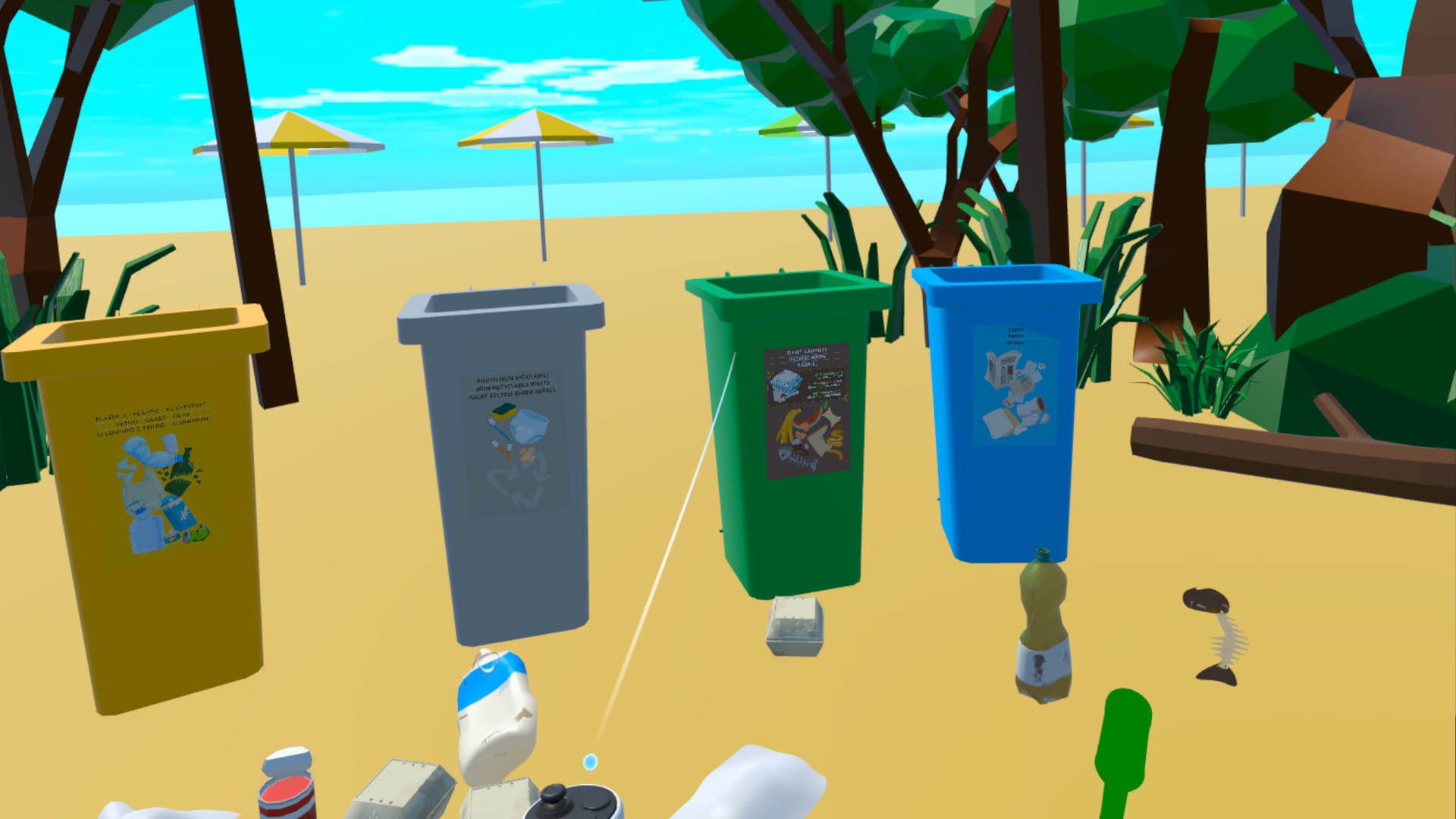
The virtual environment reproduces the ecological waste-sorting stations of a real eco-resort in Tuscany, including the newly introduced color-coded recycling system. After a short tutorial, participants are introduced to the task by a small squirrel mascot, which explains that waste has been left around the area and asks the user to help restore order by sorting it correctly. Users then interact with a set of different waste items scattered throughout the environment and must place each object in the appropriate recycling bin.

The experience is built around a learning-by-doing approach. Correct choices are reinforced through immediate positive feedback and an in-world progress counter, while incorrect choices trigger a clear error message and a voice-over explaining the correct disposal category. The incorrectly sorted object then reappears, allowing the participant to try again. The experience ends only when all items have been sorted correctly, ensuring that participants complete the task through successful practice rather than passive exposure to information.

Just Separate was developed as both an educational tool and an experimental research environment. Its aim is to strengthen three closely related outcomes: knowledge of local recycling rules, task-specific self-efficacy, and intentions to sort waste correctly. By reproducing realistic environmental cues and coupling them with immediate corrective feedback, the simulation is designed to reduce procedural uncertainty and help users connect abstract sorting rules with concrete actions.

The environment has already been tested in a real-world field study conducted during the introduction of a new waste-sorting infrastructure at an eco-resort. Following the VR experience, participants showed significant increases in knowledge of the new sorting rules, confidence in their ability to sort waste correctly, and behavioral intentions. The strongest improvement was observed for objective knowledge of the new recycling system.

For this reason, Just Separate provides a practical example of how immersive technologies can be used not only to communicate sustainability messages, but also to train specific pro-environmental behaviors through situated, interactive practice. Its gamified structure, visible progress, repeated attempts, and corrective feedback make it particularly suited for contexts in which people need to learn or update concrete environmental routines.

virtual reality environment for testing avatar categorization as transgender avatars social psychology

VR Avatar Gender Categorization Task

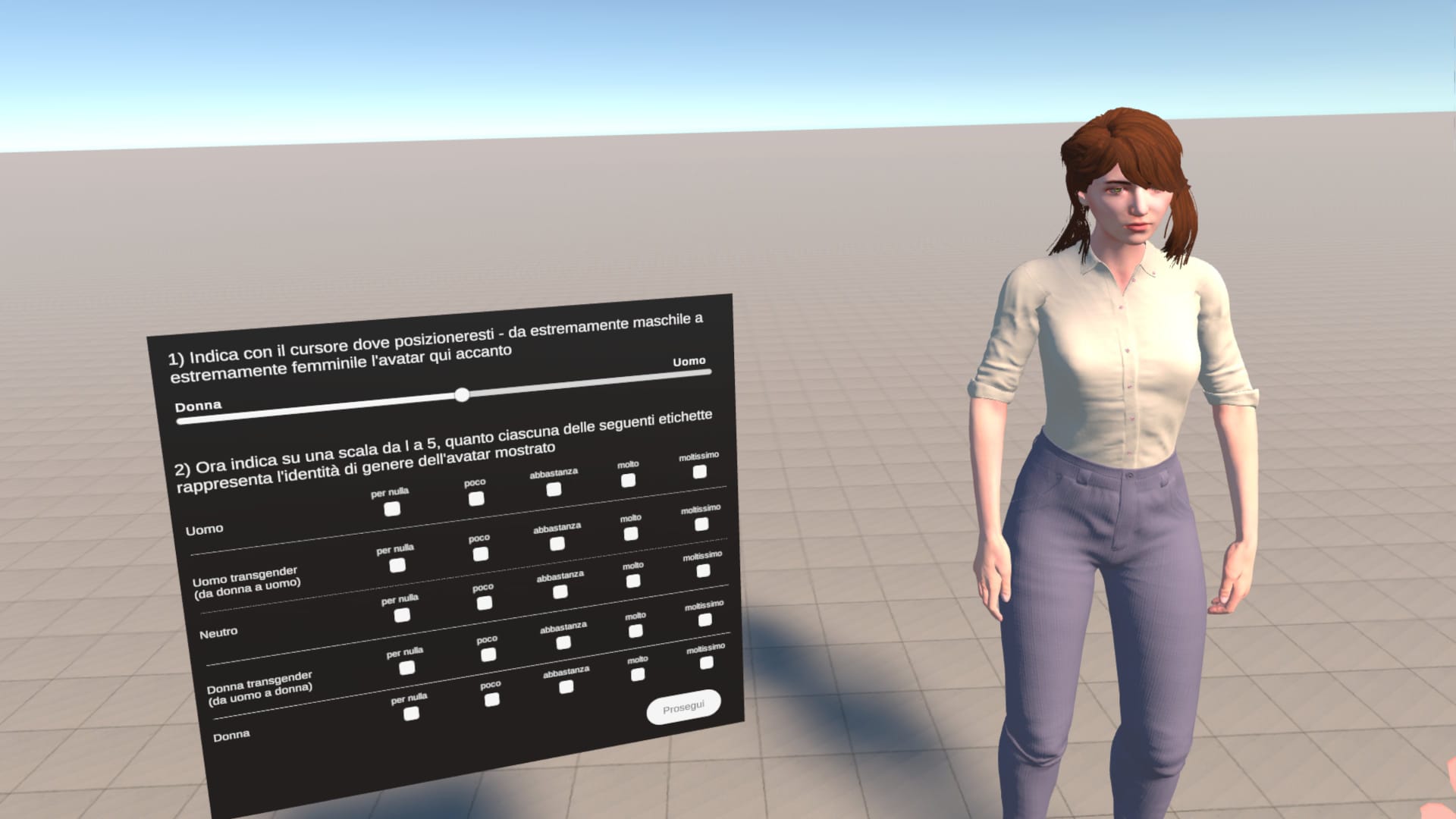
This virtual reality environment was developed to investigate how people categorize virtual avatars in terms of gender identity based on their external appearance and visual features. The paradigm presents participants with a set of 10 different avatars, each characterized by distinct combinations of outward features, allowing researchers to examine how variations in avatar appearance influence gender-related judgments and categorization processes.

The task follows a within-subject design in which each participant is exposed to all 10 avatars across repeated trials. After viewing each avatar, participants provide their evaluations directly inside the virtual environment using Likert-type response scales. This interaction system was specifically designed to avoid removing the headset or interrupting the experimental experience, thereby helping to preserve immersion and sense of presence throughout the entire task.

The avatars were created using MetaPerson, while participant interaction with the virtual interface is supported through Meta hand-tracking libraries. Responses can therefore be entered naturally within VR without relying on traditional external input devices.

The system also includes an integrated data-management procedure. At the beginning of the session, a unique participant ID can be entered and associated with all subsequent responses. Information about the experimental session and the in-VR questionnaire is automatically saved as a CSV file directly on the device storage. This makes it possible to match VR-generated data with responses collected through external survey platforms, such as Qualtrics, by using the same unique participant identifier.

The environment is currently available in Italian and is designed as a fully guided experimental experience, with participants led through the procedure without requiring intervention from the researcher during the task.

The paradigm is currently being used as a research tool within an ongoing study on gender-related social categorization in immersive virtual environments. It should therefore be considered an active research prototype whose structure, stimuli, and validation are still being refined as data collection progresses.

virtual reality simulation for manipulationg working objectification psychology social psychology

ACME VR. Work-Related Objectification

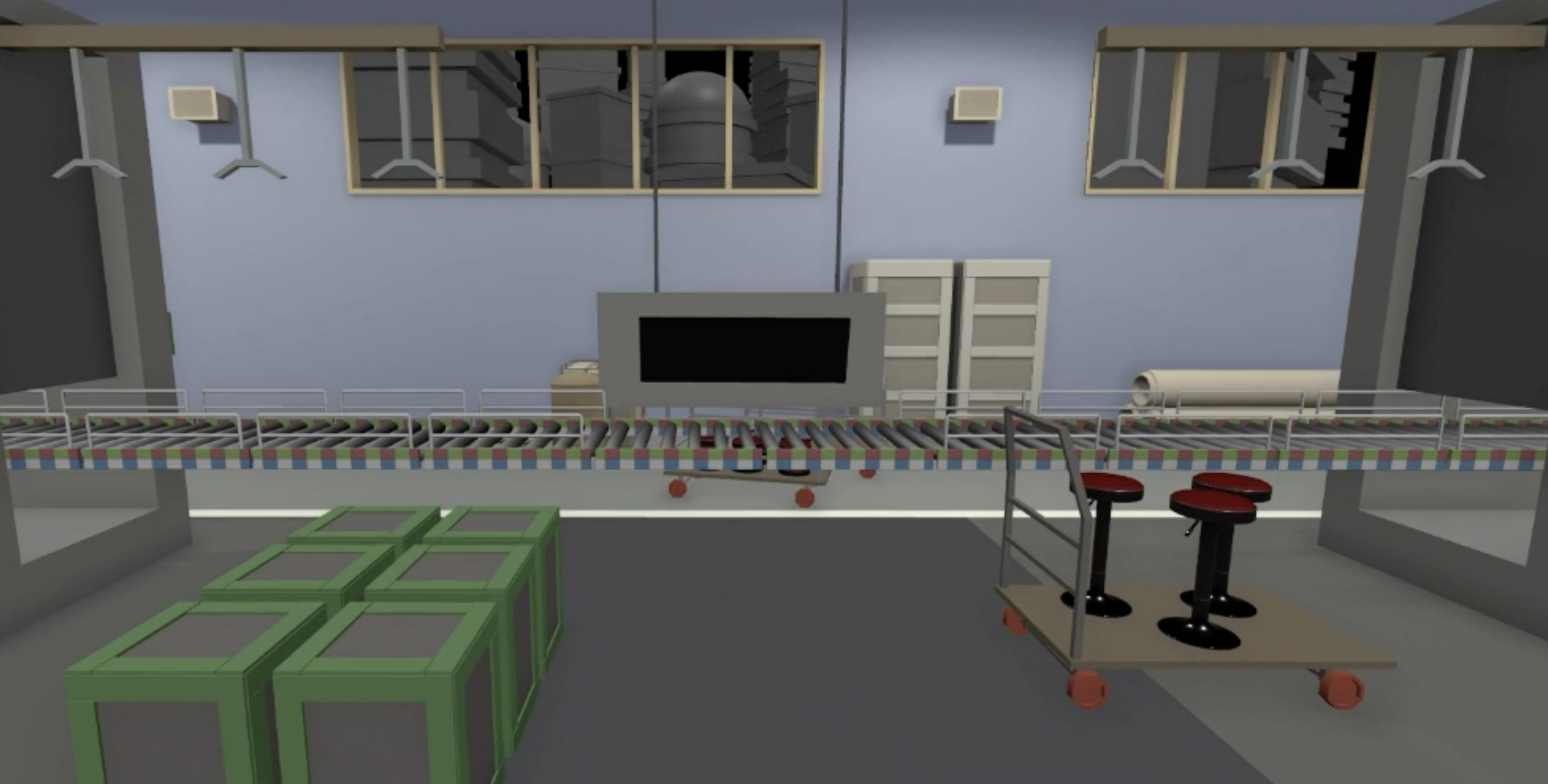
ACME-VR is an immersive virtual reality paradigm designed to experimentally investigate work-related objectification and its psychological consequences. The environment was developed to reproduce key characteristics of different forms of work while combining the ecological validity of an immersive workplace simulation with the experimental control required for psychological research. The paradigm includes two distinct working conditions: an objectifying assembly-line environment and a non-objectifying craft-based environment.

In the objectifying condition, participants work on a virtual factory assembly line and repeatedly assemble the same components under strict time constraints. The task is specifically designed around three characteristics associated with objectifying work: repetitiveness, fragmentation, and external control. In the non-objectifying condition, participants work in a virtual woodworking workshop, where they build an entire chair by freely selecting and combining different components. This condition emphasizes autonomy, task variety, creativity, and holistic engagement rather than externally imposed and fragmented work.

ACME-VR is not only an experimental environment but an empirically validated research paradigm. Its development and validation have been published in Acta Psychologica. Across a preliminary validation study and a preregistered main study, the assembly-line condition produced significantly greater self-objectification than the woodworking condition. Participants exposed to the objectifying environment perceived themselves as more instrument-like and attributed fewer human mental states to themselves. Importantly, factors specific to the VR experience, including presence and embodiment, were comparable across conditions, supporting the interpretation that the observed psychological differences were primarily driven by the characteristics of the work activity itself.

The paradigm therefore provides a validated and flexible experimental platform for studying how work design shapes workers’ self-perception and psychological experience, while also offering a foundation for investigating additional outcomes associated with repetitive, fragmented, and externally controlled work.

Scientific publication
Puzella, G., Sterlicchio, A., Baldissarri, C., Manfredi, A., Greitemeyer, T., & Gabbiadini, A. (2025). A virtual reality environment to study work-related objectification. Acta Psychologica, 255, 104902. https://doi.org/10.1016/j.actpsy.2025.104902

Per il sito del Cyberpsychology Lab, questa secondo me è una lunghezza buona: spiega concretamente cosa fa l’esperienza, rende molto visibile la distinzione tra le due condizioni e, soprattutto, comunica che non si tratta semplicemente di una demo VR, ma di un paradigma sperimentale già validato e pubblicato.

virtual reality environment for testing social categorization in VR social psychology

VR Human Avatar Social Categorization Task

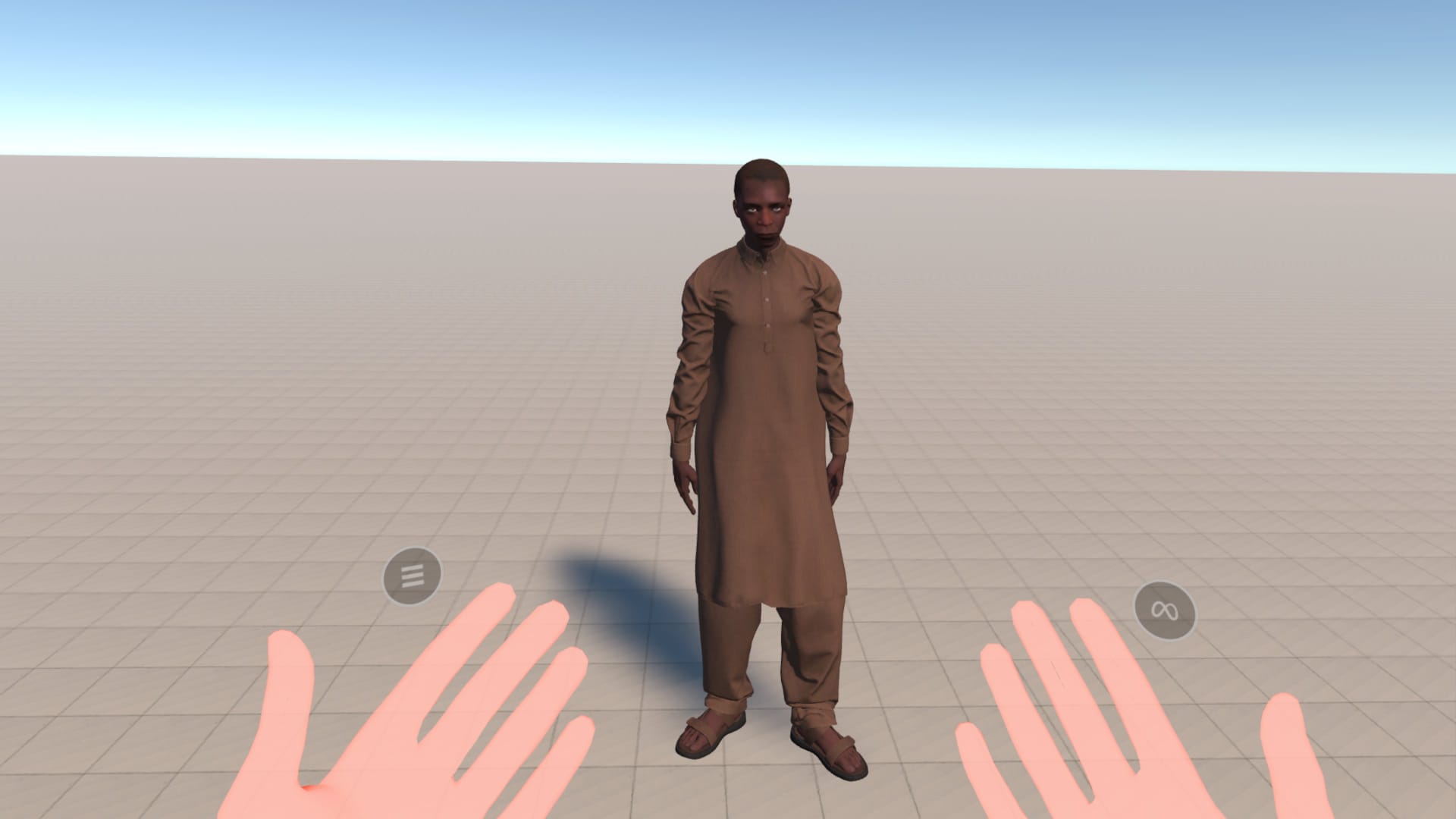
This virtual reality environment was developed to investigate how people socially categorize human-like avatars on the basis of their visual appearance. The paradigm presents participants with a series of virtual characters that differ in their outward features, allowing researchers to examine how social judgments and categorization processes emerge when individuals encounter embodied digital agents in an immersive environment.

The task follows a within-subject design, with each participant evaluating multiple avatars across repeated trials. After viewing each avatar, participants provide their judgments directly inside virtual reality using Likert-type response scales, allowing the entire experimental procedure to be completed without removing the headset or interrupting the immersive experience. This makes it possible to collect repeated social evaluations while preserving continuity, immersion, and sense of presence throughout the task.

As in our other VR assessment paradigms, the environment supports in-VR interaction through Meta hand-tracking libraries, enabling participants to navigate the procedure and enter their responses naturally without relying on external input devices.

The system also includes integrated participant and session management. A unique participant ID can be entered at the beginning of the experiment and automatically associated with all subsequent responses. Experimental and questionnaire data are saved directly as a CSV file on the device storage, allowing researchers to match the responses collected in VR with data obtained through external survey platforms such as Qualtrics or comparable systems.

The paradigm is available in two separate builds, one featuring male avatars and one featuring female avatars. This modular structure allows researchers to select the appropriate stimulus set according to the specific aims and design of the study.

The environment is fully guided and designed to minimize the need for researcher intervention during the experimental session. It was developed as a research tool for the systematic study of social categorization processes in immersive virtual environments.

The study for which this paradigm was developed is currently at the minor revision stage, and the corresponding empirical results are expected to become available soon. The downloadable builds should therefore be considered research versions of an actively used experimental paradigm.

virtual reality environment for testing gender identity

VR Gender Identity Exploration Environment

This virtual reality environment was developed to investigate how immersive technologies may support the exploration of gender identity among transgender individuals. The paradigm is designed around avatar customization and embodiment, allowing participants to construct and experience a virtual representation that reflects their ideal self following gender transition.

At the beginning of the experience, participants can personalize their own avatar using the Meta Avatar 2 SDK, modifying its appearance in order to create a representation that is personally meaningful and consistent with their desired gender expression. The application requires a valid Meta Developer App ID / application key to access the avatar services and related SDK functionalities.

Once the avatar has been created, participants complete an initial embodiment phase aimed at strengthening the sense of identification with and ownership over the virtual body. The environment then guides them through a series of structured tasks and self-report assessments focused on gender identity, self-perception, and the experience of embodying an avatar representing the ideal post-transition self.

The entire procedure is designed to take place within virtual reality, allowing participants to interact with and evaluate their virtual representation while maintaining continuity of the immersive experience. The paradigm therefore combines avatar personalization, virtual embodiment, and psychological assessment within a single controlled experimental environment.

The application is currently being used as part of an ongoing research project examining the potential of virtual reality as a tool for gender identity exploration in transgender populations. Data collection is still in progress, and the paradigm should therefore be considered an active research prototype that may continue to evolve as the study develops.