MENU  '
'
'
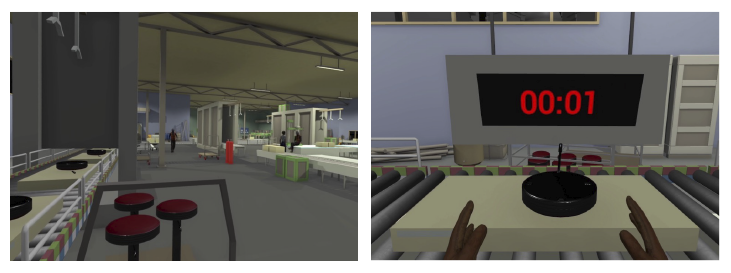
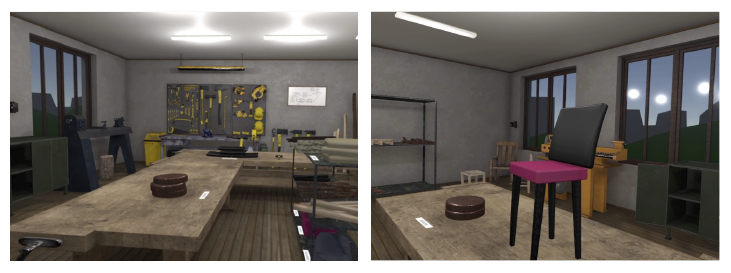
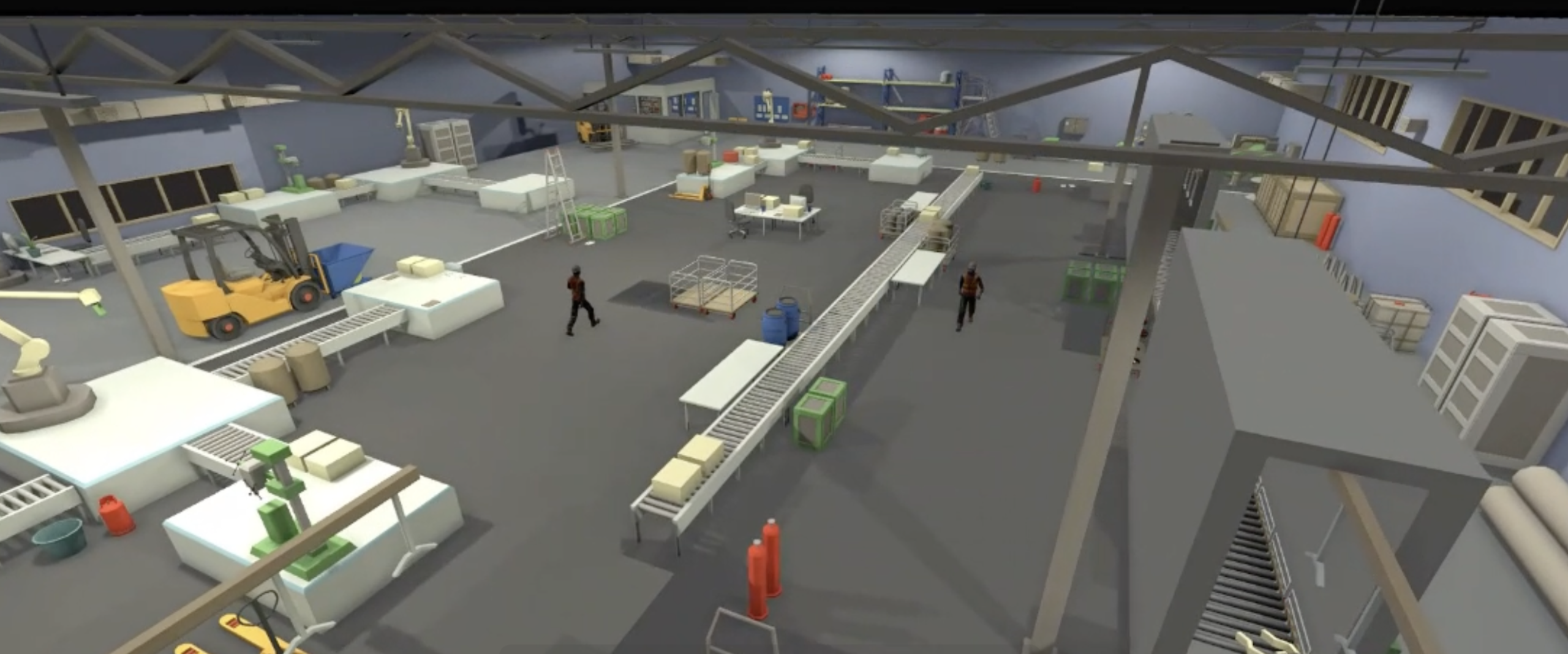
ACME-VR is an immersive virtual reality paradigm designed to experimentally investigate work-related objectification and its psychological consequences. The environment was developed to reproduce key characteristics of different forms of work while combining the ecological validity of an immersive workplace simulation with the experimental control required for psychological research. The paradigm includes two distinct working conditions: an objectifying assembly-line environment and a non-objectifying craft-based environment.
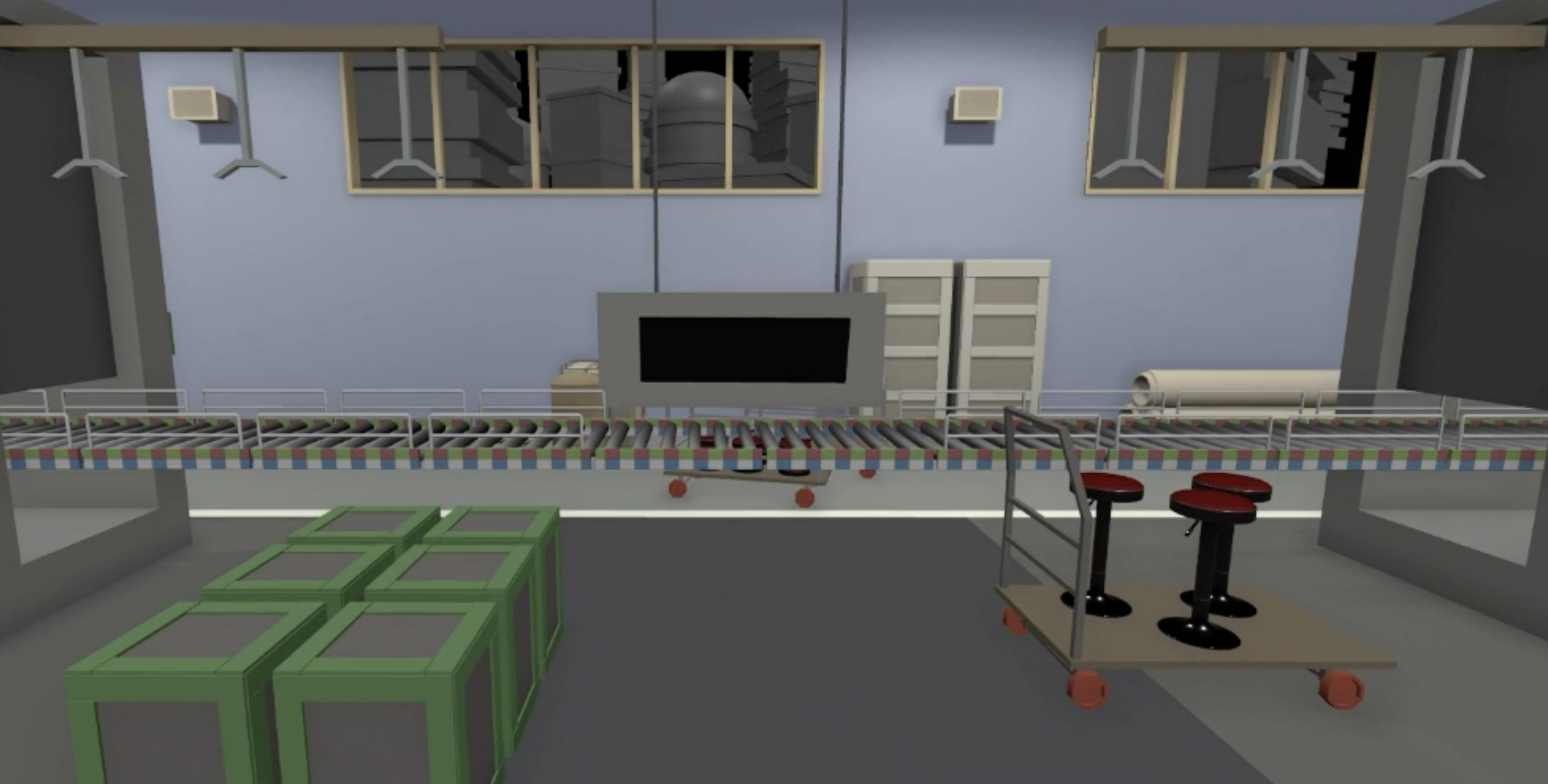
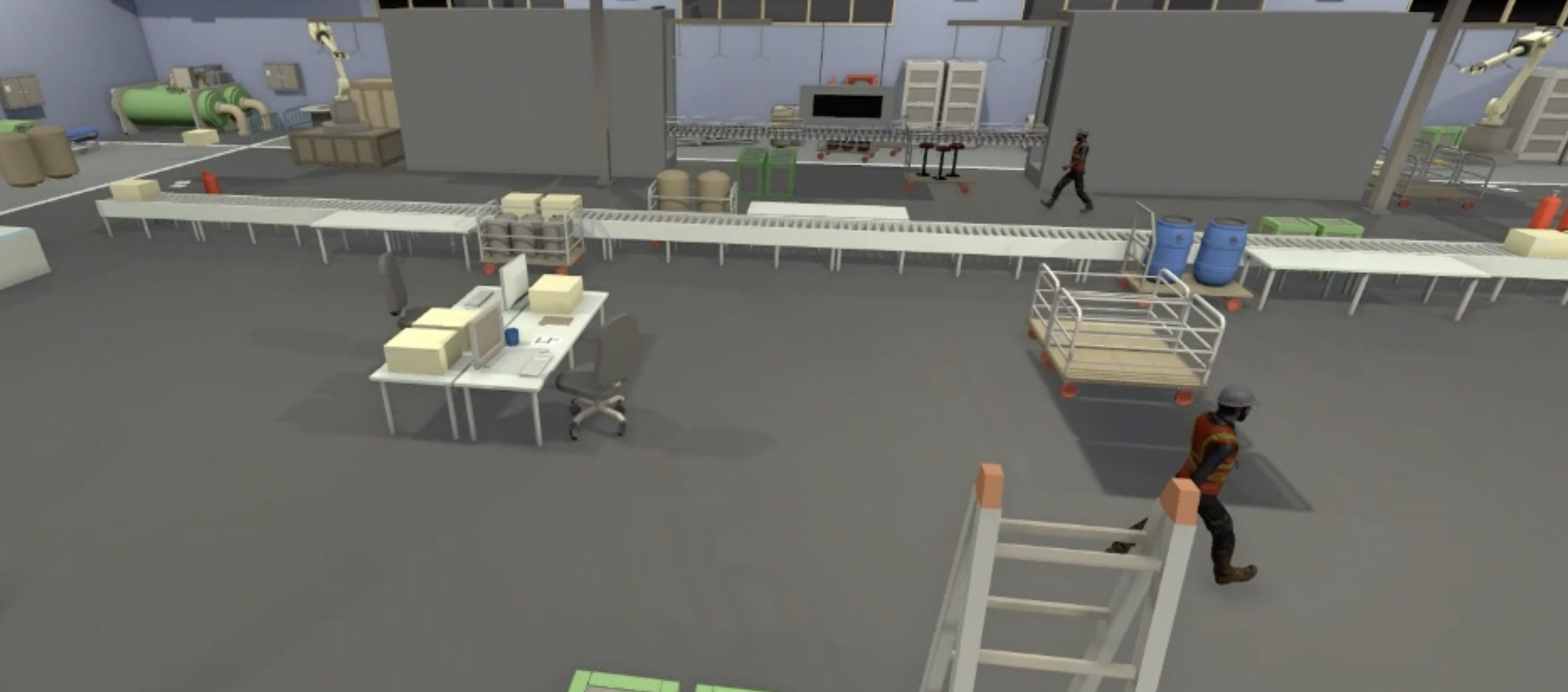
In the objectifying condition, participants work on a virtual factory assembly line and repeatedly assemble the same components under strict time constraints. The task is specifically designed around three characteristics associated with objectifying work: repetitiveness, fragmentation, and external control. In the non-objectifying condition, participants work in a virtual woodworking workshop, where they build an entire chair by freely selecting and combining different components. This condition emphasizes autonomy, task variety, creativity, and holistic engagement rather than externally imposed and fragmented work.
ACME-VR is not only an experimental environment but an empirically validated research paradigm. Its development and validation have been published in Acta Psychologica. Across a preliminary validation study and a preregistered main study, the assembly-line condition produced significantly greater self-objectification than the woodworking condition. Participants exposed to the objectifying environment perceived themselves as more instrument-like and attributed fewer human mental states to themselves. Importantly, factors specific to the VR experience, including presence and embodiment, were comparable across conditions, supporting the interpretation that the observed psychological differences were primarily driven by the characteristics of the work activity itself.
The paradigm therefore provides a validated and flexible experimental platform for studying how work design shapes workers’ self-perception and psychological experience, while also offering a foundation for investigating additional outcomes associated with repetitive, fragmented, and externally controlled work.
Scientific publication
Puzella, G., Sterlicchio, A., Baldissarri, C., Manfredi, A., Greitemeyer, T., & Gabbiadini, A. (2025). A virtual reality environment to study work-related objectification. Acta Psychologica, 255, 104902. https://doi.org/10.1016/j.actpsy.2025.104902
Per il sito del Cyberpsychology Lab, questa secondo me è una lunghezza buona: spiega concretamente cosa fa l’esperienza, rende molto visibile la distinzione tra le due condizioni e, soprattutto, comunica che non si tratta semplicemente di una demo VR, ma di un paradigma sperimentale già validato e pubblicato.