An immersive island-based paradigm for investigating blue-space perception, restorativeness, solastalgia, and olfactory experience

enviromental psychology social psychology sustainability virtual reality

This virtual reality environment was developed to investigate how people perceive and psychologically respond to blue spaces, with a particular focus on the restorative qualities of marine environments and on emotional responses related to environmental change and degradation.

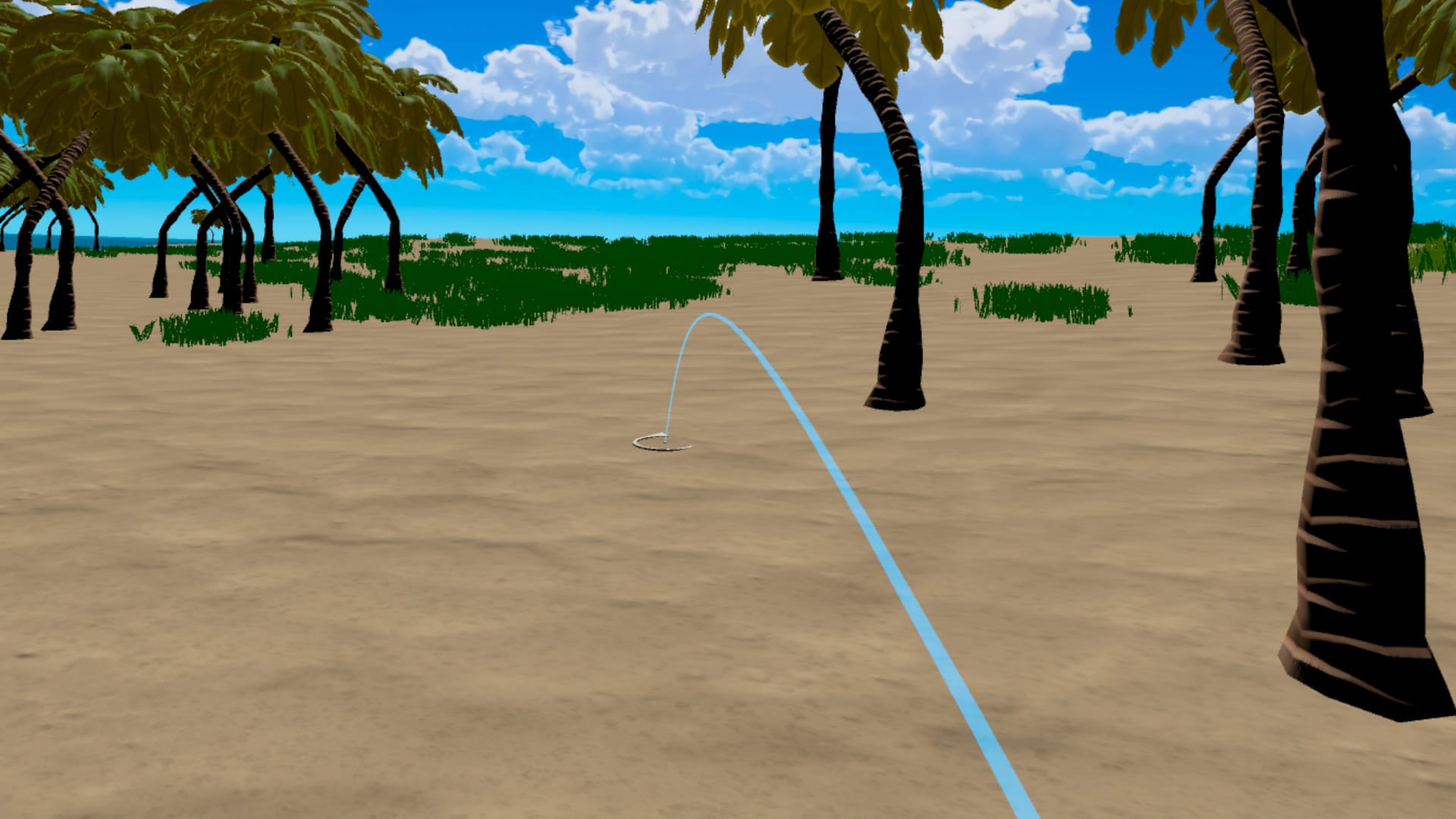
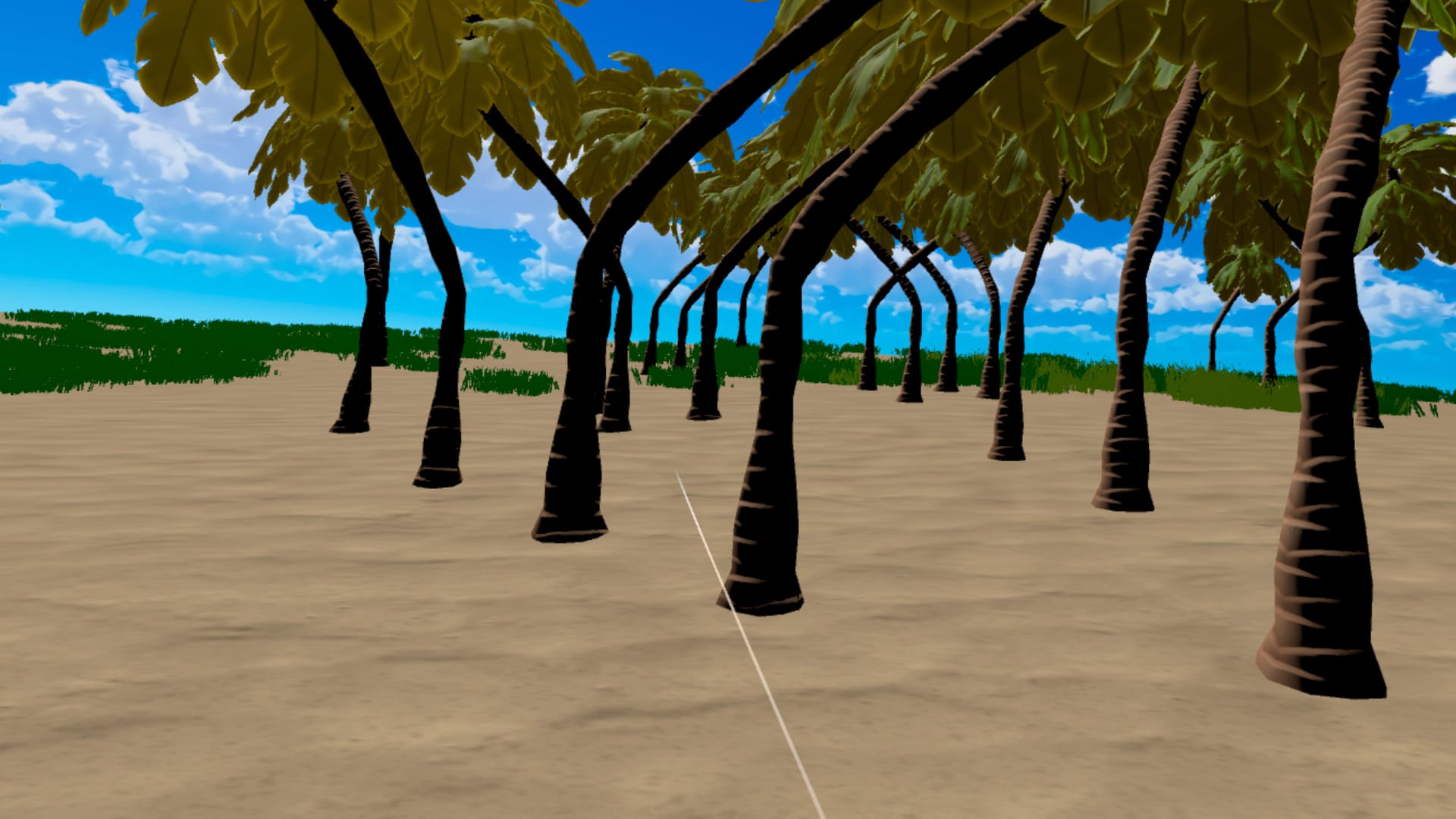
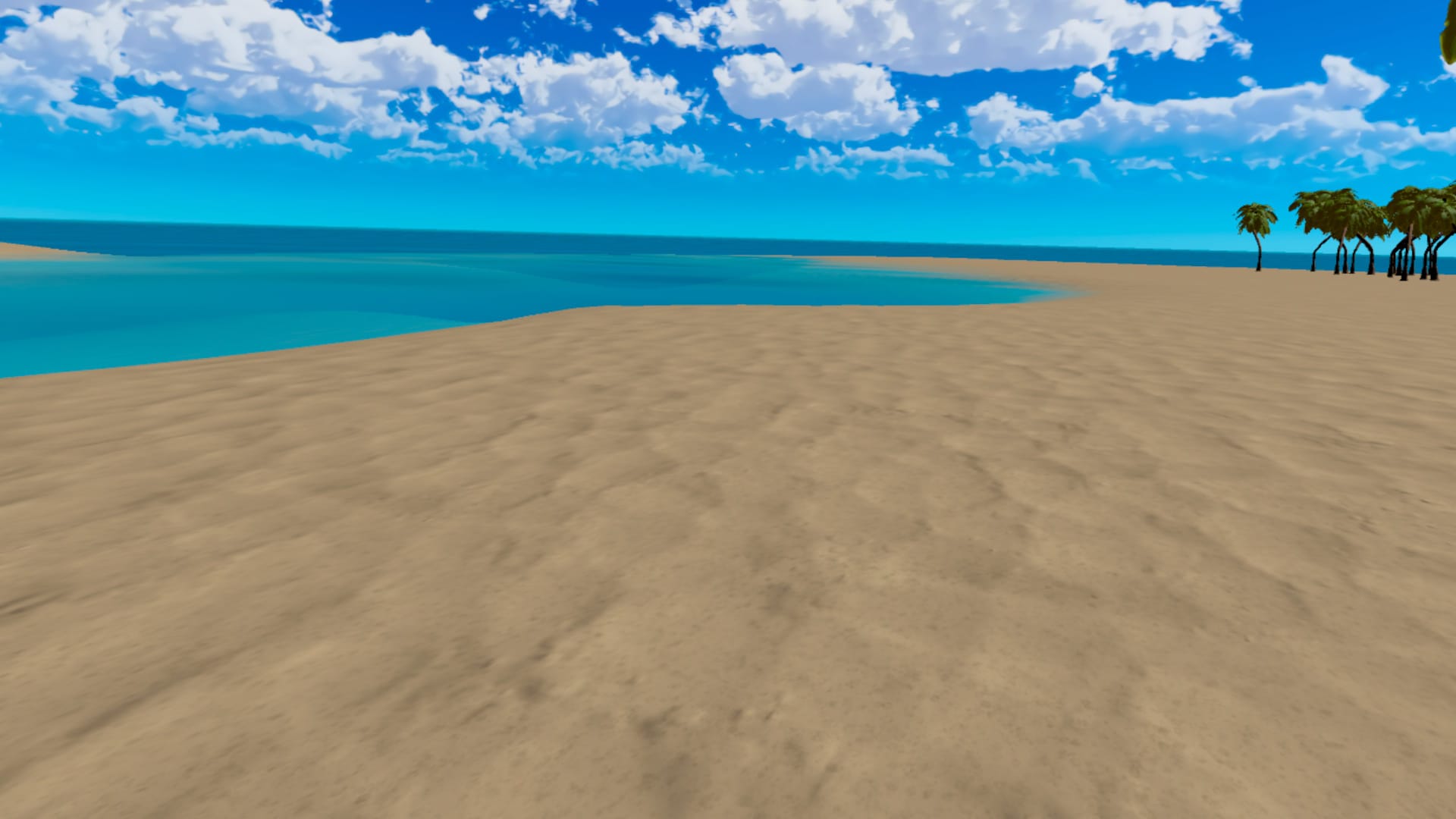
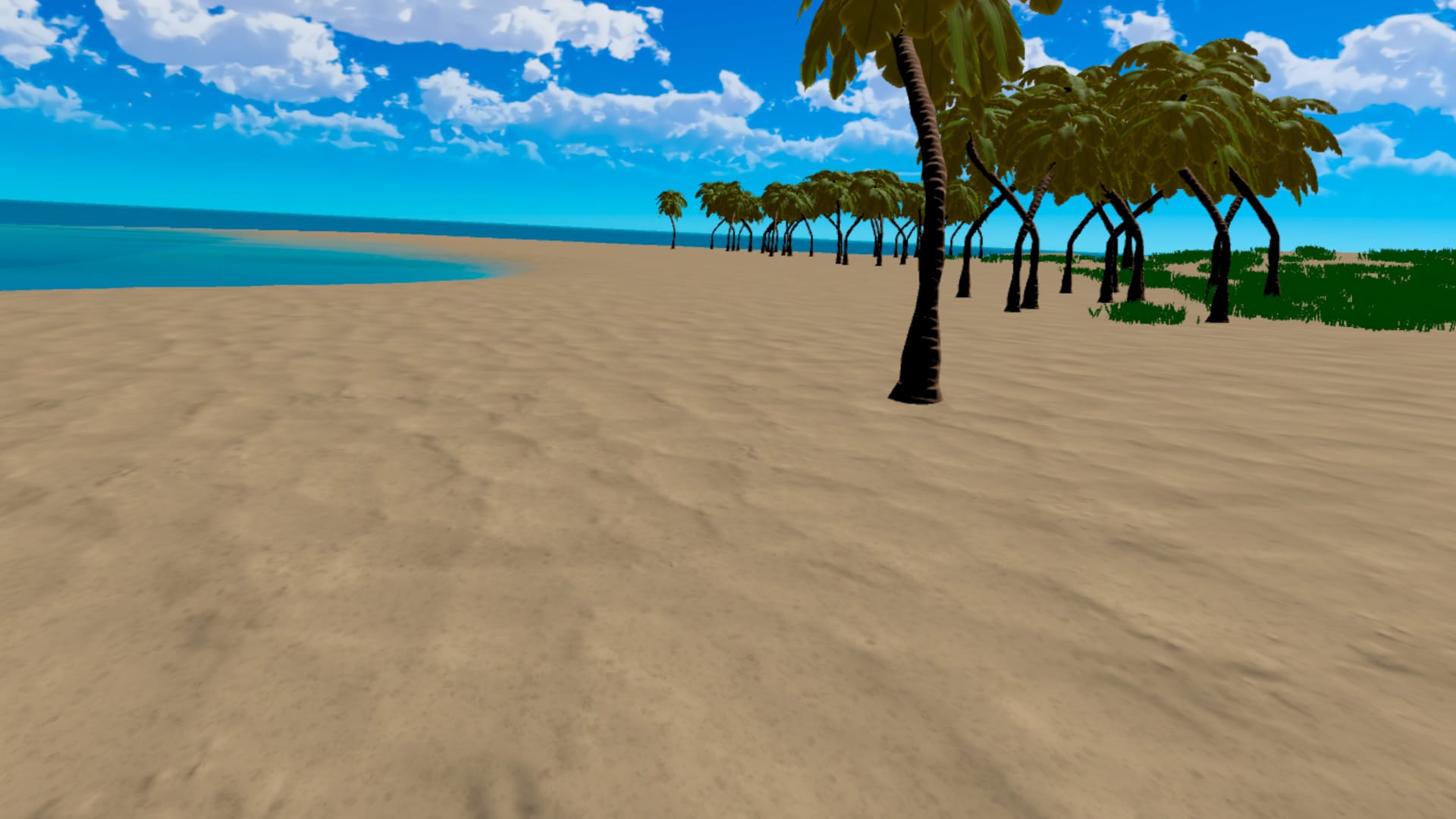
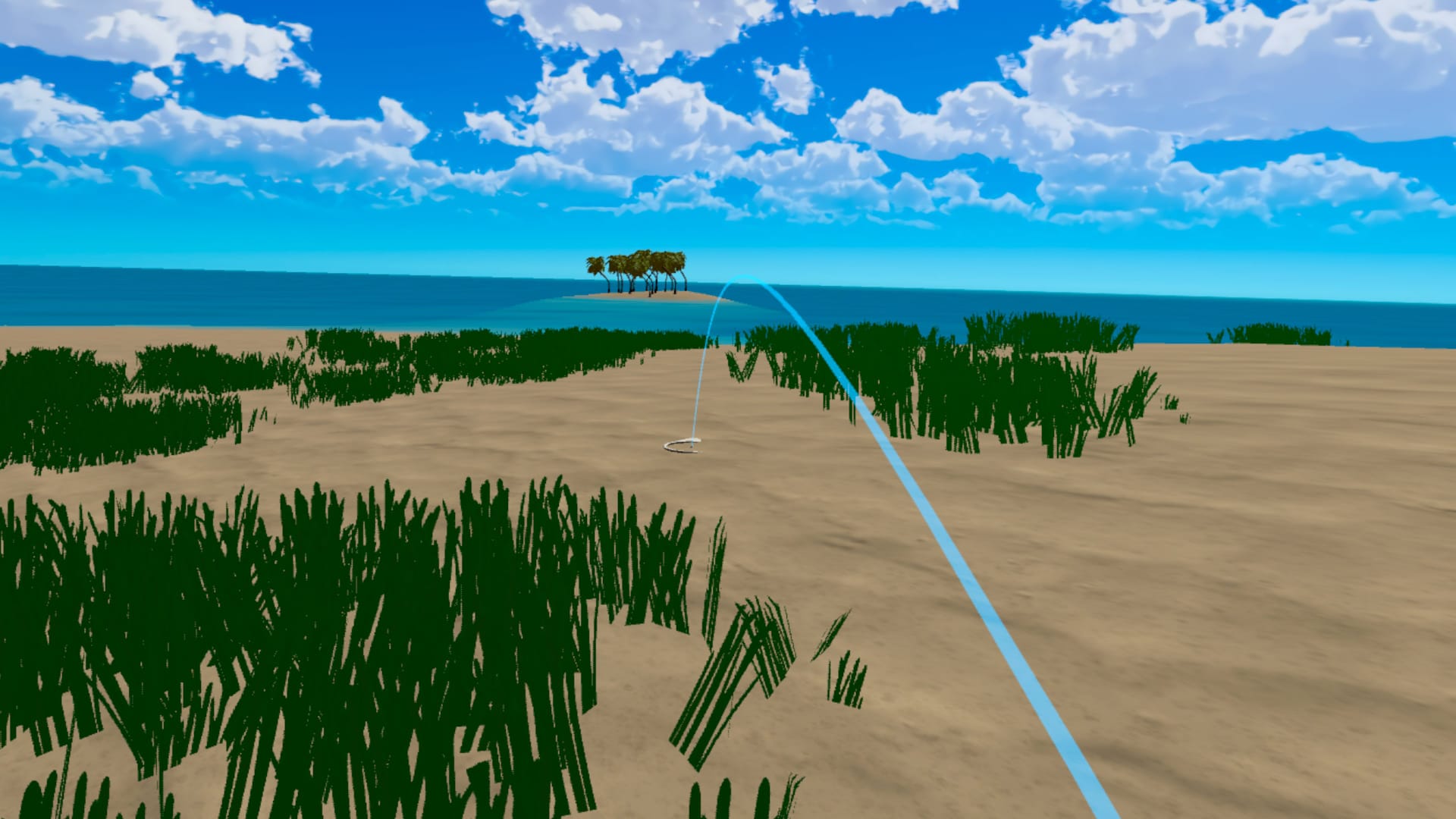
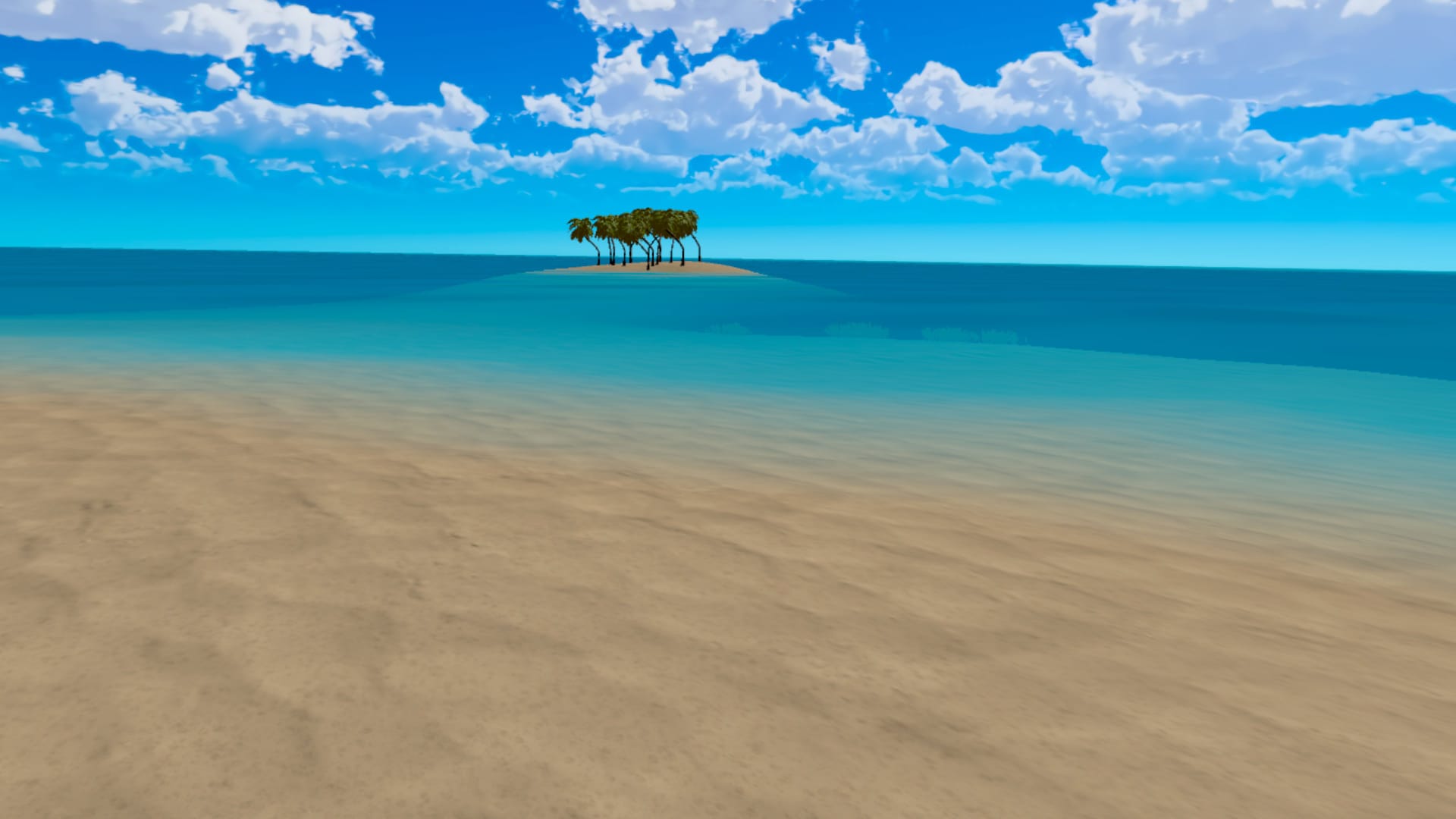
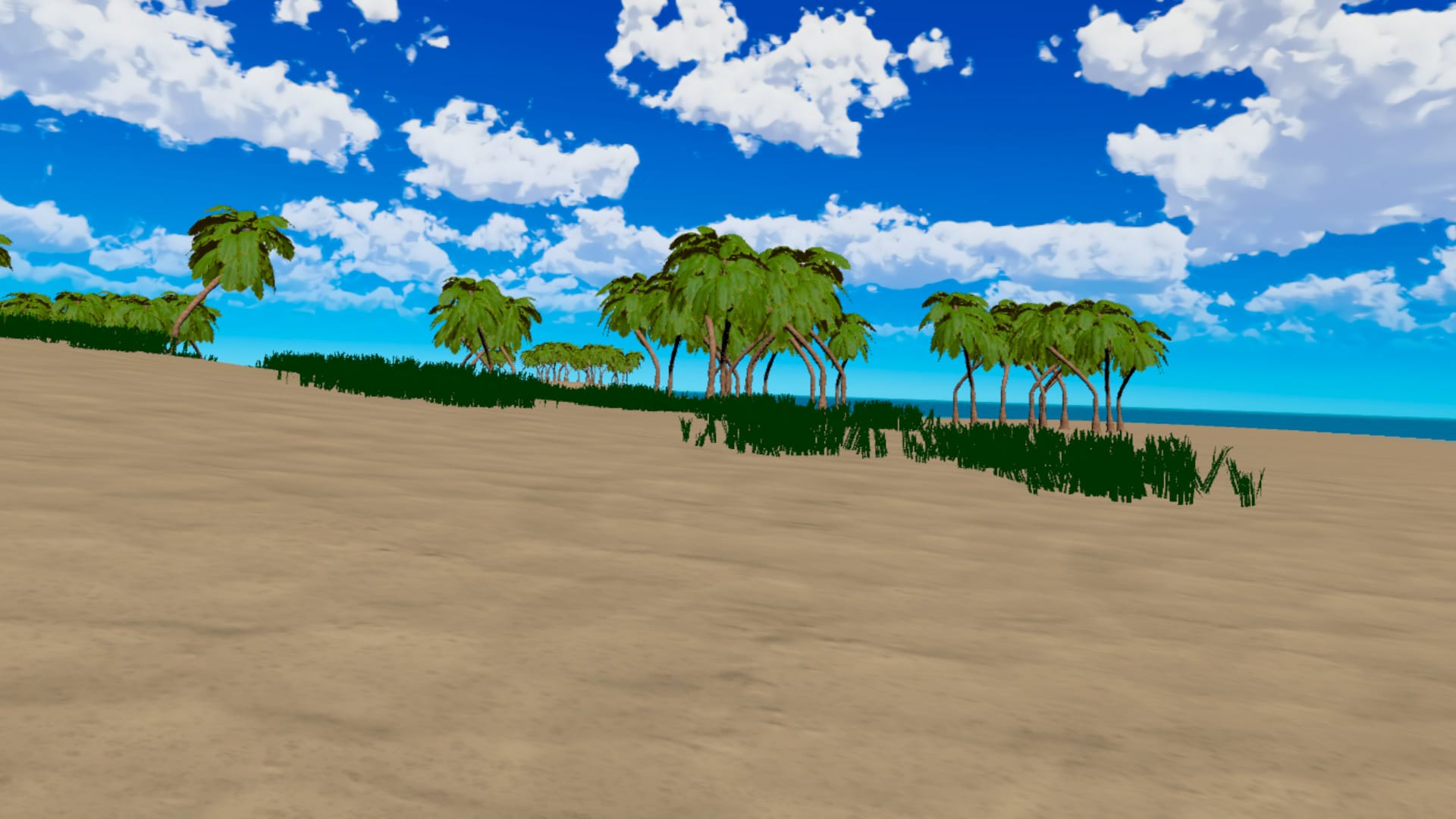
The experience reconstructs an uninhabited island environment in which the sea represents the central perceptual and experiential element. The virtual setting was designed as a controlled naturalistic space in which participants can be exposed to the same visual environment while researchers manipulate additional sensory information.

A key feature of the system is its integration with an external olfactory stimulation device. The VR application can send Wi-Fi signals to an Arduino-based controller, which in turn activates an aroma diffuser. This allows researchers to associate the same virtual marine environment with different olfactory conditions and to systematically investigate how smell interacts with visual immersion in shaping the perception of natural environments.

The paradigm was specifically conceived to study psychological responses to blue spaces, including constructs such as perceived restorativeness, solastalgia, environmental appraisal, and affective responses to nature. By keeping the visual environment constant while varying olfactory stimulation, the system makes it possible to examine the contribution of multisensory integration to the experience of immersive natural settings.

The environment is therefore intended not only as a virtual reconstruction of a coastal ecosystem, but as a multisensory experimental platform for studying how visual and olfactory information jointly influence the psychological experience of marine and coastal environments.

The application is currently under testing and refinement and is being used as part of an ongoing experimental study. The present build should therefore be considered an active research prototype whose technical configuration and experimental parameters may continue to evolve during data collection.