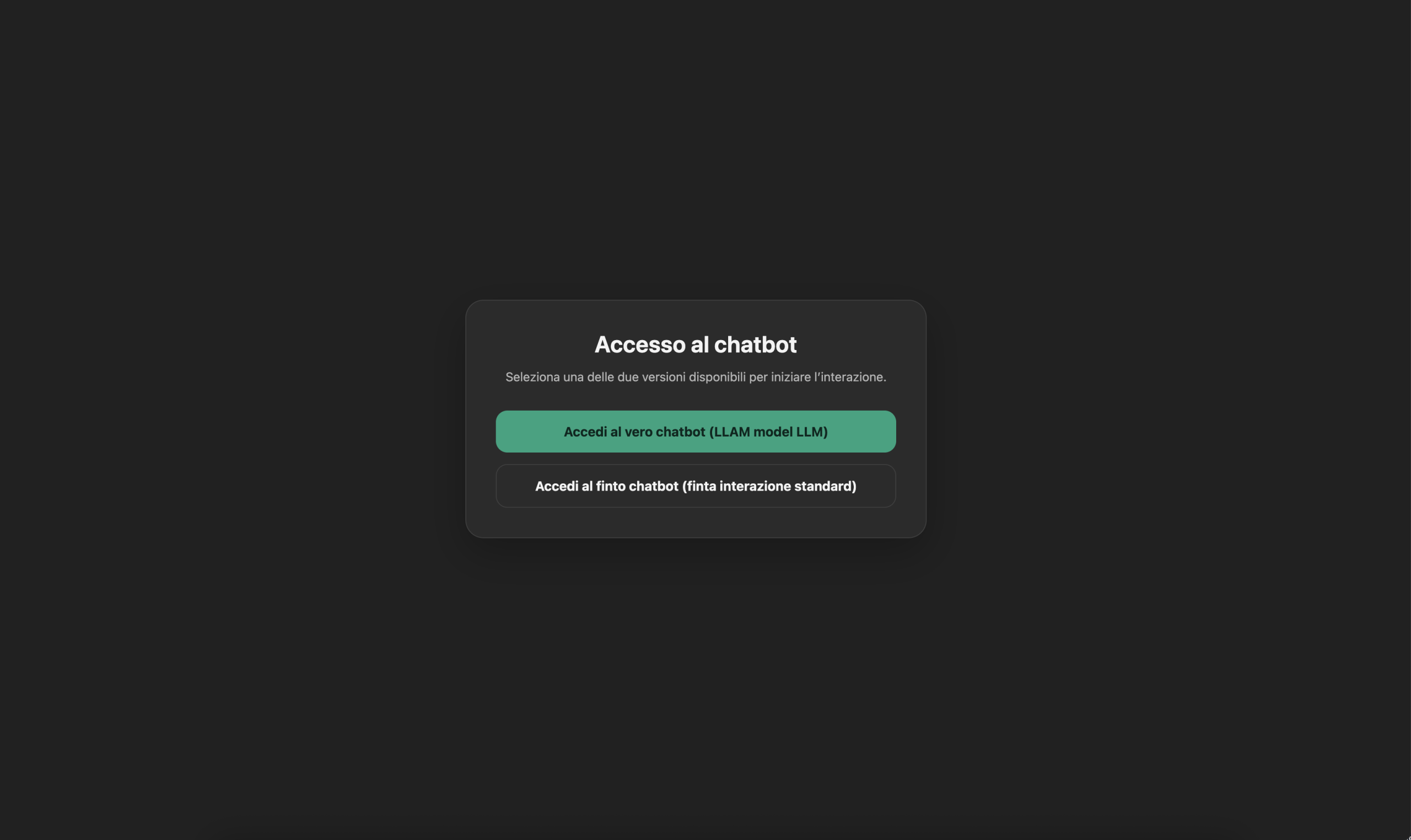
web based chatbot with AI integration for testing psychological connection with ai agents

Web-Based AI Chatbot Experimental Paradigm

This web-based experimental paradigm was developed to investigate how different AI chatbot response styles and conversational strategies influence users’ psychological and social responses during human–AI interaction. The platform connects to OpenAI models through an API key and allows researchers to define custom system prompts that dynamically shape the chatbot’s behavior throughout the interaction.

Researchers can configure different experimental conditions by modifying the chatbot’s instructions, making it possible to manipulate dimensions such as relational versus non-relational communication, empathy, warmth, conversational responsiveness, self-disclosure, interaction style, and conversation structure or depth. Because these manipulations are implemented through customizable prompts, the paradigm can be adapted to a wide range of experimental questions while maintaining a standardized web-based interaction environment.

The paradigm was used to manipulate chatbot conversational behavior in the research reported by Telari, Gabbiadini, and Riva (2026). Across two experimental studies, the authors manipulated the chatbot’s response style (relational vs. non-relational) and, in the second study, the depth of conversation topics (high vs. low) to examine how different forms of AI-mediated interaction influence perceived responsiveness, empathy, self-disclosure, interpersonal closeness, and intentions for future use. The experimental prompts were specifically designed to produce either warm, empathic, and socially responsive interactions or more detached and task-oriented conversational styles.

Reference

Telari, A., Gabbiadini, A., & Riva, P. (2026). Can humans feel connected to AI? Perceived responsiveness drives social connection with AI chatbots. Journal of Social and Personal Relationships, 43(9), 2579–2600. https://doi.org/10.1177/02654075261438164
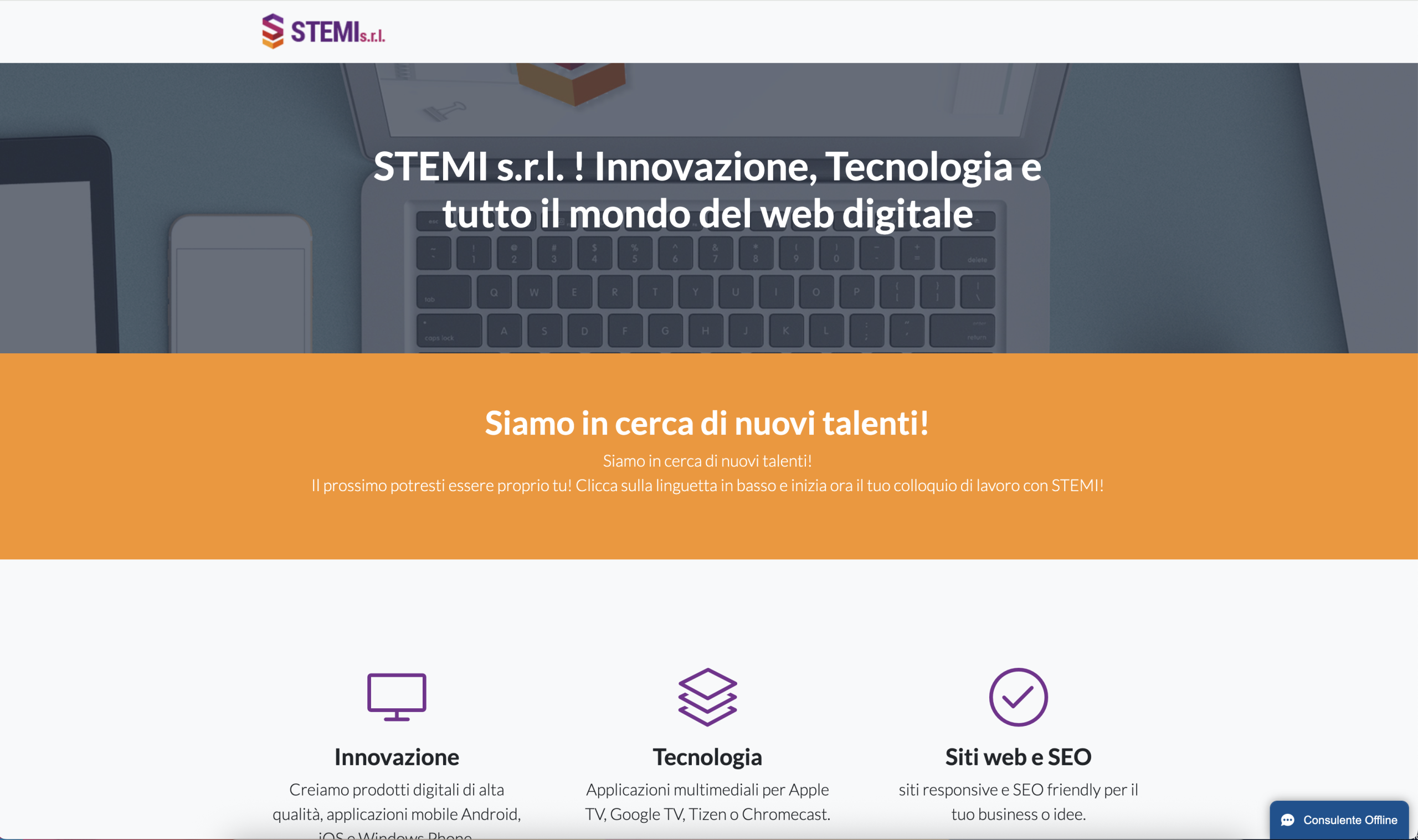
web based manipulation for working objectification elicited by Artificial intelligence social psychology

STEMI – AI Recruitment Paradigm

STEMI is a web-based experimental paradigm developed to investigate the psychological consequences of being evaluated by artificial intelligence in a workplace context. The paradigm simulates a realistic online recruitment process and allows researchers to manipulate whether candidates are evaluated by an AI-based recruiter or a human recruiter, providing an ecologically relevant framework for studying work self-objectification, perceived self-efficacy, agency, and beliefs in free will.

The paradigm is built around the website of a fictitious company, STEMI, where participants are asked to imagine applying for an open job position. After entering the experimental environment, participants explore the company website and encounter a recruitment banner advertising available positions. They are then invited to apply for the position and proceed to an online job interview through the website’s integrated chat system.

Depending on the experimental condition, participants are informed that their interview will be conducted either by an AI recruiter or by a human HR recruiter. In both conditions, the interview follows the same predefined structure and questions, allowing the identity of the evaluating agent to be manipulated while keeping the content of the interaction as comparable as possible. During the original implementation, both the AI system and the human operator were instructed to redirect participants to the recruitment task whenever the conversation deviated from the interview.

The interaction reproduces several key features of contemporary algorithmic recruitment. In the AI condition, participants interact with a natural-language-processing system designed to conduct candidate screening and extract relevant information from their responses. The interview therefore places participants in a situation in which their personal characteristics and experiences are transformed into information that can be analysed by an algorithm. This makes the paradigm particularly suitable for investigating datafication and work self-objectification—that is, the possibility that individuals come to perceive themselves less as autonomous human agents and more as data, instruments, or resources evaluated according to externally defined criteria.

In its original implementation, the simulated interview lasted approximately 40 minutes. At the end of the interaction, both the AI and human recruiter informed participants that the selection process had concluded and asked them to wait for the result. Participants subsequently received unsuccessful selection feedback. Psychological measures were then administered to assess outcomes including self-efficacy, self-objectification, beliefs in free will, realistic threat, and human identity threat.
The STEMI paradigm was used in Study 2 of Gabbiadini et al. (2025) as a more ecologically valid extension of earlier scenario-based experiments. The study showed that interacting with an AI recruiter, compared with a human recruiter, was associated with lower perceived self-efficacy and greater work self-objectification. The broader research suggests that AI-mediated evaluation may reduce individuals’ perceived agency by placing them in an externally controlled and highly data-driven evaluative process.

Reference

Gabbiadini, A., Durante, F., Baldissarri, C., Manfredi, A., Sterlicchio, A., & Romano, S. (2025). Artificial intelligence in the workplace: Effects on self-efficacy, self-objectification and beliefs in free will. Journal of Community & Applied Social Psychology, 35, e70107. https://doi.org/10.1002/casp.70107