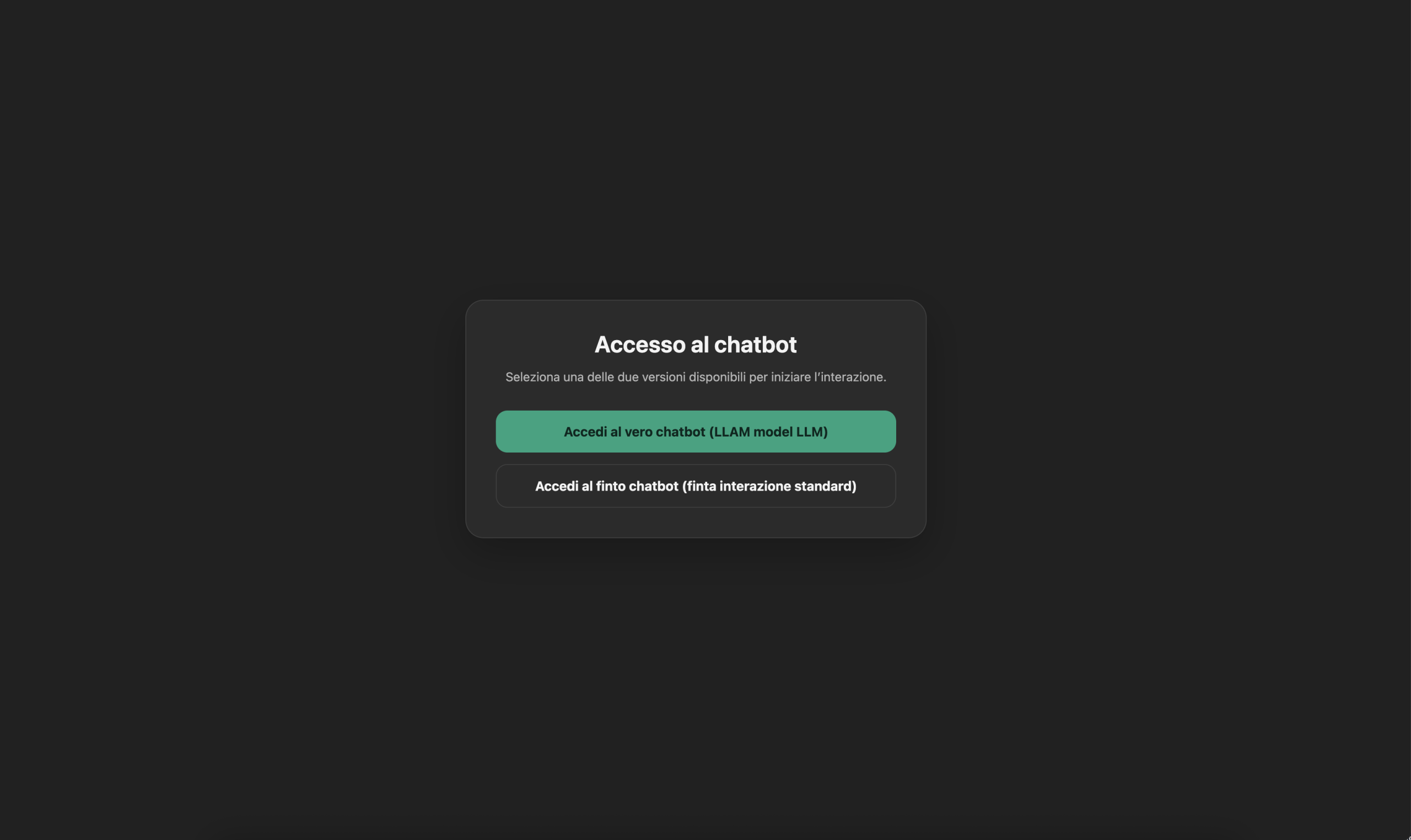
This web-based experimental paradigm was developed to investigate how different AI chatbot response styles and conversational strategies influence users’ psychological and social responses during human–AI interaction. The platform connects to OpenAI models through an API key and allows researchers to define custom system prompts that dynamically shape the chatbot’s behavior throughout the interaction.
Researchers can configure different experimental conditions by modifying the chatbot’s instructions, making it possible to manipulate dimensions such as relational versus non-relational communication, empathy, warmth, conversational responsiveness, self-disclosure, interaction style, and conversation structure or depth. Because these manipulations are implemented through customizable prompts, the paradigm can be adapted to a wide range of experimental questions while maintaining a standardized web-based interaction environment.
The paradigm was used to manipulate chatbot conversational behavior in the research reported by Telari, Gabbiadini, and Riva (2026). Across two experimental studies, the authors manipulated the chatbot’s response style (relational vs. non-relational) and, in the second study, the depth of conversation topics (high vs. low) to examine how different forms of AI-mediated interaction influence perceived responsiveness, empathy, self-disclosure, interpersonal closeness, and intentions for future use. The experimental prompts were specifically designed to produce either warm, empathic, and socially responsive interactions or more detached and task-oriented conversational styles.
Reference
Telari, A., Gabbiadini, A., & Riva, P. (2026). Can humans feel connected to AI? Perceived responsiveness drives social connection with AI chatbots. Journal of Social and Personal Relationships, 43(9), 2579–2600. https://doi.org/10.1177/02654075261438164
 '
'